5 Min Read
Planning a major home renovation, addition, or custom home project involves countless decisions, but few are as important as choosing the right project delivery method. The professionals you bring onto your team, and when you bring them in, can have a significant impact on your project's budget, timeline, communication, and overall experience.
For homeowners in Lafayette, the choice often comes down to architect vs. design-build firm options: working with an architect and contractor separately or partnering with a design-build firm that manages both design and construction under one roof. Understanding how these models differ can help you select the approach that best aligns with your goals, expectations, and investment.
In This Guide:
- What’s the Difference Between an Architect and a Design-Build Firm?
- The Traditional Path
- The Design-Build Approach
- Cost Differences: Which Approach Is More Predictable?
- Timeline Comparison: Which Process Is Faster?
- Who’s Responsible? Understanding Accountability
- Communication & Client Experience
- Design Quality: Will You Sacrifice Creativity?
- Change Orders & Surprises During Construction
- When Hiring an Architect First Makes Sense
- When a Design-Build Firm Is the Better Fit
- Partner with a Trusted Design-Build Team in Lafayette
What’s the Difference Between an Architect and a Design-Build Firm?
When comparing an architect vs. design-build approach, the primary difference lies in how your project team is organized.
In a traditional architect-led project, design and construction are handled by separate companies. An architect develops the plans, and contractors are brought in later to provide pricing and build the project.
A design-build firm combines those services into one coordinated team. Designers, estimators, project managers, and builders collaborate throughout the entire project, from concept development through construction.
Both approaches can produce exceptional results. The key differences are found in communication, budgeting, accountability, and the overall client experience.

The Traditional Path: How Working with an Architect Typically Works
The traditional architect-led model has been used successfully for decades and remains a good fit for many projects.
Step 1: Design Development
The process typically begins by hiring a residential architect professional to create floor plans, elevations, and construction documents.
During this phase, homeowners work closely with the architect to refine the design and establish project goals.
Step 2: Contractor Bidding
Once the plans are complete, contractors review the drawings and submit bids.
Homeowners then compare proposals and select a contractor to perform the work.
Step 3: Construction Begins
After a contractor is chosen, construction moves forward according to the completed plans.
This approach can work well when:
- The project requires specialized architectural expertise
- A homeowner wants independent design services
- The project involves unique site or zoning challenges
One potential drawback is that detailed construction pricing often isn't finalized until after the design phase is complete. If bids exceed expectations, revisions may be necessary before construction can begin.
The Design-Build Approach: One Team from Start to Finish
The design-build process brings design and construction expertise together from the beginning.
Rather than working through separate phases with different companies, homeowners collaborate with a single team throughout the project.
An Integrated Planning Process
An integrated design-build team works collaboratively during project development to balance design goals, functionality, constructability, and budget considerations.
At S. Brown Construction, this process is supported by two in-house designers who work directly with homeowners to develop plans, guide material selections, and create spaces that reflect each client's lifestyle and goals.
Because design and construction professionals are involved together, decisions can be evaluated from multiple perspectives before construction begins.
A Focus on Project Development
One of the biggest advantages of design-build remodeling is the amount of planning that occurs before construction starts.
Project development often includes:
- Space planning
- Floor plan development
- Product and material selections
- Budget refinement
- Scope clarification
- Construction planning
This collaborative approach helps homeowners understand exactly what they're building and what investment is required before moving into construction.
Cost Differences: Which Approach Is More Predictable?
Budget certainty is one of the biggest concerns for homeowners considering a major remodel or custom home.
Traditional Architect-Led Projects
In a traditional process, design typically comes first and pricing comes later.
While architects often provide budget guidance, actual construction costs may not be fully known until contractors submit bids.
This can occasionally result in:
- Scope reductions
- Material substitutions
- Design revisions
- Additional rounds of planning
Design-Build Projects
With a design-build contractor in Lafayette, IN, budgeting becomes part of the design conversation. As plans evolve, the construction team evaluates costs alongside design decisions.
This allows homeowners to understand how changes affect the overall investment before final plans are completed. For many families pursuing home renovation in Lafayette, IN, this transparency is one of the biggest benefits of design-build remodeling.
Timeline Comparison: Which Process Is Faster?
Every project is unique, but project structure can significantly impact the overall timeline.
Traditional Architect-Bid-Build Timeline
Projects generally move through separate phases:
- Design
- Construction documents
- Contractor bidding
- Contractor selection
- Construction
Because each phase is completed independently, delays can occur between transitions.
Design-Build Timeline
With the design-build process, planning and construction expertise are integrated from day one.
Benefits often include:
- Earlier budget discussions
- Faster decision-making
- Fewer redesigns
- Improved coordination
The result is often a more streamlined path from concept to construction.
Who’s Responsible? Understanding Accountability
Accountability becomes increasingly important as project size and complexity increase.
In a Traditional Architect-Led Project
When separate companies are involved, responsibility can sometimes become less clear.
Questions may arise regarding:
- Budget overruns
- Design revisions
- Construction challenges
- Scope interpretation
In many cases, homeowners find themselves coordinating communication between multiple parties.
In a Design-Build Project
A design-build contractor serves as the single point of responsibility.
One team oversees:
- Design development
- Budget planning
- Material selections
- Scheduling
- Construction execution
For many homeowners, this centralized accountability creates a more organized and predictable experience.
Communication & Client Experience
The quality of communication often determines how enjoyable a remodeling experience feels.
Multiple Teams, Multiple Conversations
In a traditional project, communication often flows through several parties.
Questions may move between:
- Homeowner
- Architect
- Contractor
- Consultants
While this can work successfully, it often requires more coordination.
One Team, One Process
A Lafayette design-build company simplifies communication by keeping everyone under one roof.
Rather than managing multiple relationships, homeowners work with a coordinated team that shares information internally.
This often leads to:
- Faster responses
- Fewer misunderstandings
- Better project alignment
- A smoother overall experience
Design Quality: Will You Sacrifice Creativity?
One of the most common misconceptions about design-build is that creativity takes a back seat to construction.
In reality, great design depends on the people creating it, not the delivery model.
The Architect Perspective
Architects are trained design professionals who can create highly customized and architecturally sophisticated solutions.
For certain projects, this expertise may be exactly what's needed.
The Design-Build Perspective
Many homeowners are surprised to discover that design-build firms often provide equally thoughtful design services.
At S. Brown Construction, homeowners work directly with experienced designers throughout the planning process. Those designers collaborate closely with construction professionals to ensure creative ideas align with real-world budgets and building requirements.
This level of architect and builder collaboration often results in designs that are both beautiful and practical.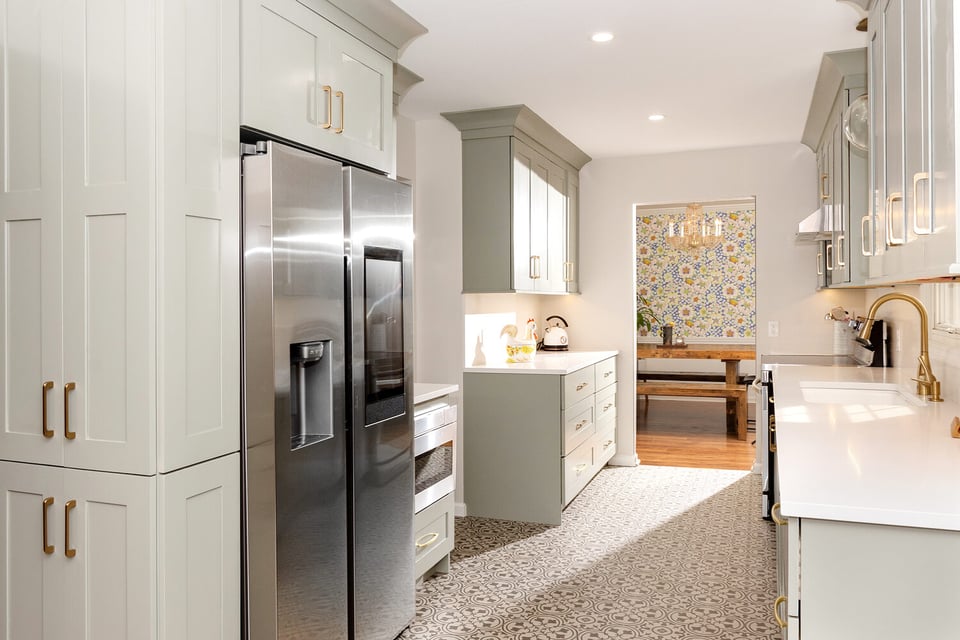
Change Orders & Surprises During Construction
No remodeling project is completely immune from surprises.
Older homes, hidden conditions, and homeowner-requested changes can all affect the project during construction.
However, the amount of pre-construction planning can significantly influence how often those surprises occur.
Why Planning Matters
A strong design-build remodeling process focuses heavily on project development before construction begins.
This includes:
- Detailed design work
- Material selections
- Budget planning
- Scope refinement
The more decisions made before construction starts, the fewer surprises typically arise later.
When Hiring an Architect First Makes Sense
An architect-first approach can be an excellent choice when:
- The project requires specialized architectural expertise
- A homeowner wants design services independent of construction
- The project has unique zoning or planning requirements
- An existing architect relationship already exists
When a Design-Build Firm Is the Better Fit
A Lafayette design-build company is often the better solution when homeowners value:
- Budget transparency
- Streamlined communication
- One point of accountability
- Collaborative planning
- A more predictable project experience
This approach is especially effective for:
- Whole-home remodels
- Room additions
- Major renovations
- Custom homes
Partner with a Trusted Design-Build Team in Lafayette
Choosing between an architect and a design-build firm ultimately comes down to finding a process that aligns with your goals, budget, and expectations. At S. Brown Construction, our in-house design team and construction professionals work together from the earliest planning stages through final construction, helping homeowners navigate complex remodeling and custom home projects with greater clarity, communication, and confidence.
If you're considering a whole-home remodel, addition, custom home, or other major home remodeling projects in Lafayette, IN, our team is here to help. Contact S. Brown Construction today to learn more about our design-build process and discover how our personalized approach can help bring your vision to life.